
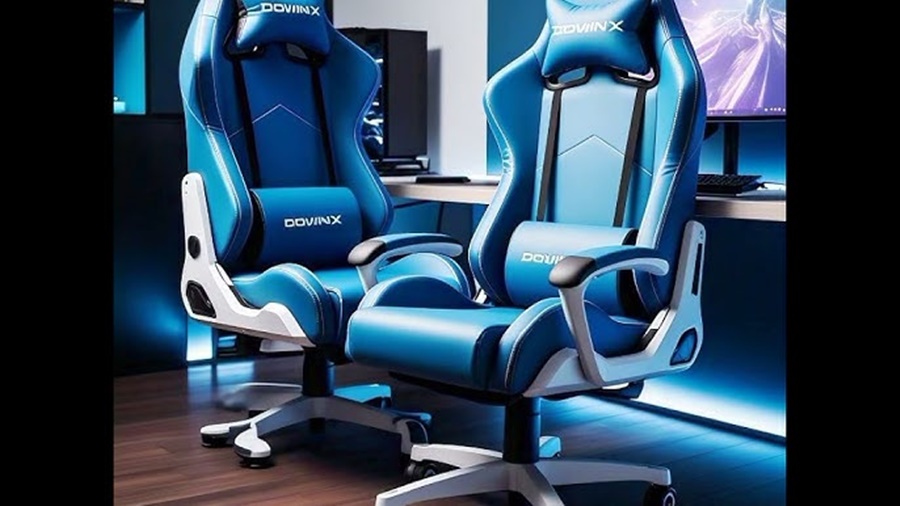
Choosing the right gaming chair isn’t just about aesthetics it directly impacts your comfort, posture, and even long-term health. Whether you’re a casual gamer who plays in short bursts or someone who spends extended hours in front of a screen, the type of chair you use can make a significant difference.
This guide explores the key differences between gaming chairs suited for long hours versus short sessions, helping you decide what works best for your needs.
1. Understanding Usage Patterns
Before diving into features, it’s important to define your usage:
- Short sessions: 30 minutes to 2 hours per day
- Long hours: 4+ hours per day, often continuous
Your body experiences strain very differently in each case, which is why chair design matters.
2. Gaming Chairs for Long Hours
If you’re a serious gamer, streamer, or remote worker, long-hour chairs are designed to provide sustained comfort and ergonomic support.
Key Features
1. Ergonomic Design
These chairs prioritize spinal alignment. They typically include:
- Adjustable lumbar support
- Neck/head pillows
- Contoured backrests
2. High-Quality Padding
Memory foam or high-density foam prevents flattening over time and reduces pressure points.
3. Full Adjustability
You’ll often find:
- Reclining backrests (up to 135–180 degrees)
- Adjustable armrests (2D, 3D, or 4D)
- Seat height and tilt controls
4. Breathable Materials
Long sessions can cause heat buildup, so materials like mesh or perforated leather help airflow.
Benefits
- Reduces back and neck pain
- Improves posture over time
- Enhances focus and endurance
- Prevents fatigue during extended gaming
Drawbacks
- Usually more expensive
- Bulkier and heavier
- May feel “overbuilt” for casual users
3. Gaming Chairs for Short Sessions
For occasional gamers or those who play casually, simpler chairs can do the job effectively.
Key Features
1. Basic Cushioning
Adequate padding for comfort without premium materials.
2. Limited Adjustability
Typically includes:
- Basic height adjustment
- Fixed or slightly adjustable armrests
3. Compact Design
Smaller footprint, easier to move and store.
4. Affordable Materials
Often made with standard foam and synthetic leather.
Benefits
- Budget-friendly
- Lightweight and easy to manage
- Suitable for casual use
- Takes up less space
Drawbacks
- Not ideal for extended sitting
- Limited back and lumbar support
- Can lead to discomfort over time
4. Key Differences at a Glance
| Feature | Long Hours Chair | Short Sessions Chair |
|---|---|---|
| Comfort Level | High (long-term support) | Moderate (short-term comfort) |
| Ergonomics | Advanced | Basic |
| Adjustability | Extensive | Limited |
| Price Range | Medium to high | Low to medium |
| Durability | High | Moderate |
| Best For | Gamers, streamers, professionals | Casual gamers |
5. Health Considerations
Even the best chair won’t fully protect you if your habits are poor.
For Long Sessions
- Take breaks every 45–60 minutes
- Stretch your back, shoulders, and wrists
- Maintain proper posture (feet flat, back straight)
For Short Sessions
- Avoid slouching
- Ensure your screen is at eye level
- Use a chair with at least minimal back support
6. Which One Should You Choose?
Choose a Long-Hours Chair If:
- You game or work for extended periods
- You’ve experienced back or neck discomfort
- You value ergonomics and adjustability
- You’re investing in long-term health
Choose a Short-Session Chair If:
- You play occasionally
- You’re on a tight budget
- You need something simple and compact
- Comfort is not a long-term concern
Conclusion
The “best” gaming chair ultimately depends on how you use it. A high-end ergonomic chair is a worthwhile investment for long sessions, offering both comfort and health benefits. On the other hand, a simpler chair is perfectly adequate for short, casual gaming periods.
Think of your chair as part of your gaming setup not just an accessory, but a tool that supports your performance and well-being.