When building a gaming setup, one of the first upgrades many gamers consider is the keyboard. The debate usually comes down to two main types: mechanical and membrane. Both allow you to play games and type, but the way they work — and the experience — is very different.
This guide explains how each keyboard works, why gamers prefer one over the other, and which one makes sense for your budget.
How Mechanical Keyboards Work
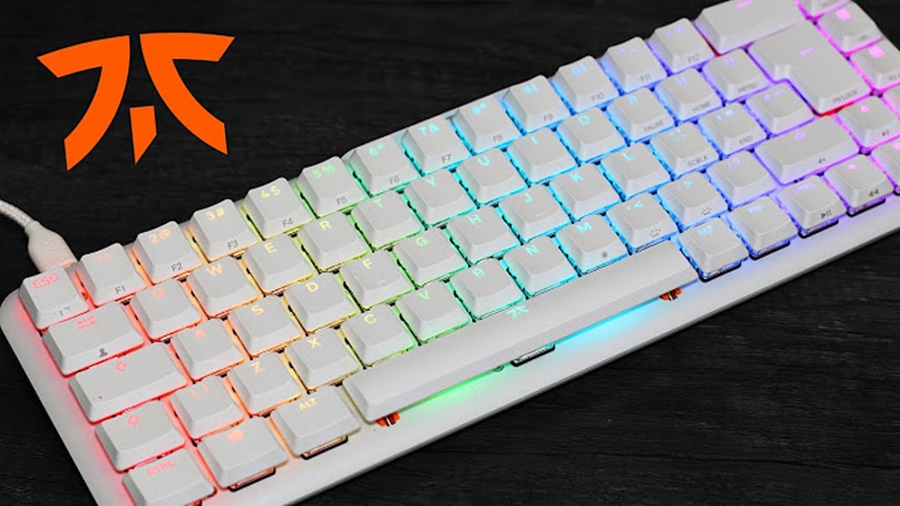
A mechanical keyboard uses individual mechanical switches under each key. Each switch contains a spring and a stem. When you press a key, the switch physically activates and registers the input.
Every key press is distinct, consistent, and precise.
Key characteristics:
- Tactile feedback (you feel a bump or click)
- Higher accuracy, especially for fast key presses
- Long lifespan, often 50–100 million keypresses
- Customizable switches and keycaps
Mechanical keyboards allow you to change keycaps, swap switches, and tune the sound and feel to your liking.
How Membrane Keyboards Work
A membrane keyboard uses a thin rubber sheet under the keys. Pressing a key pushes the rubber dome down until it touches a circuit, registering the input.
Key characteristics:
- Soft, cushioned key presses
- Quieter compared to mechanical keyboards
- Affordable and lightweight
- Less precise and slower rebound
Because all keys share the same rubber layer, membrane keyboards often feel mushy and inconsistent.
Mechanical vs. Membrane: Side-by-Side Breakdown
Typing feel:
Mechanical = crisp and responsive
Membrane = soft and mushy
Speed and response time:
Mechanical keyboards reset faster, making them better for rapid actions and competitive games.
Durability:
Mechanical switches last significantly longer. Membrane domes wear down and become less responsive over time.
Customization:
Mechanical keyboards allow custom switches, RGB effects, and keycap upgrades. Membrane keyboards are not designed for customization.
Noise level:
Mechanical keyboards can be loud depending on the switch type. Membrane keyboards are quieter.
Price:
Mechanical keyboards are more expensive, though budget options exist.
Which Is Better for Gaming?
For gaming performance, mechanical keyboards are the clear winner.
They provide:
- Faster key response
- Better precision
- Better durability
- Multi-key rollover without ghosting
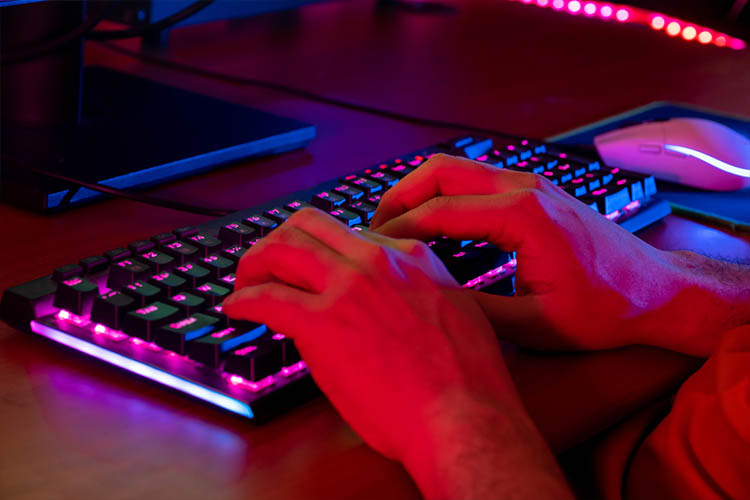
Competitive gamers, especially FPS players, will notice the difference immediately. Membrane keyboards are still fine for casual gaming or someone who wants a quiet typing experience on a tight budget.
Best Choice Based on Player Type
Competitive, FPS, or fast-paced gaming:
Choose a mechanical keyboard (linear or tactile switches).
Casual gaming, browsing, or quiet office use:
Membrane keyboard is sufficient.
Final Verdict
Mechanical keyboards deliver a noticeably better gaming experience thanks to their speed, precision, and long lifespan. Membrane keyboards are budget-friendly and quiet, but they don’t match the performance or feel of mechanical switches.
If gaming performance matters to you, go mechanical.