
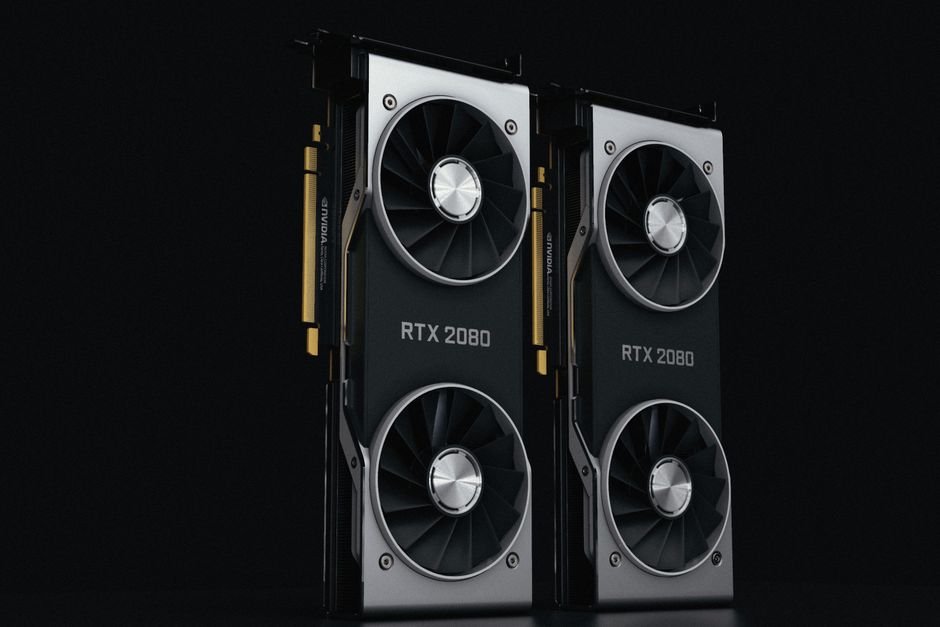
A gaming GPU can cost anywhere from $150 to over $1,500, and choosing the wrong one can hurt your gaming experience. The GPU drives the performance of your games, impacting frame rates and graphics quality. To navigate the crowded market of graphics cards, it's crucial to understand your needs and budget, ensuring you make a smart investment.
To make an informed decision, I focus on three key factors: specifications, performance benchmarks, and video memory. Each element plays a critical role in how well your GPU will serve your gaming needs. If you overlook these, you might end up with a card that doesn’t meet your expectations or fits your budget.

Specifications That Matter
When considering how to choose a gaming GPUstart with core specifications. Key specs to focus on include clock speed, number of cores, and memory bandwidth. Clock speed, measured in MHz, indicates how fast the GPU can process data. Higher clock speeds typically mean better performance, but they’re not the sole indicator.
A GPU with 2,500 MHz may outperform one with 3,000 MHz if it has more cores or better architecture.
Next, examine the number of cores, which enhance parallel processing power, essential for rendering high-quality graphics. A 6-core GPU can handle more tasks than a 4-core, resulting in smoother gameplay. Finally, memory bandwidth influences how quickly data can be read from and written to the GPU’s memory. This is particularly crucial for 4K gaming or high-resolution textures.
The Importance of Performance Benchmarks
Once you have your specifications, compare performance benchmarks. These numbers help you gauge how a GPU performs under real-world gaming conditions. Verified gaming benchmarks, often conducted across a variety of titles, serve as a reliable gauge of how different GPUs stack up against one another.
For instance, a GPU that performs well in popular titles like “Cyberpunk 2077” and “Call of Duty: Warzone” is likely a solid choice for any gamer looking for versatile performance. Benchmarks often report frame rates per second (FPS); a GPU delivering over 60 FPS on maximum settings at 1080p is a good target.
Stay clear of GPUs that consistently fall below this threshold unless you plan to play less demanding games.
Finding the Right Video Memory
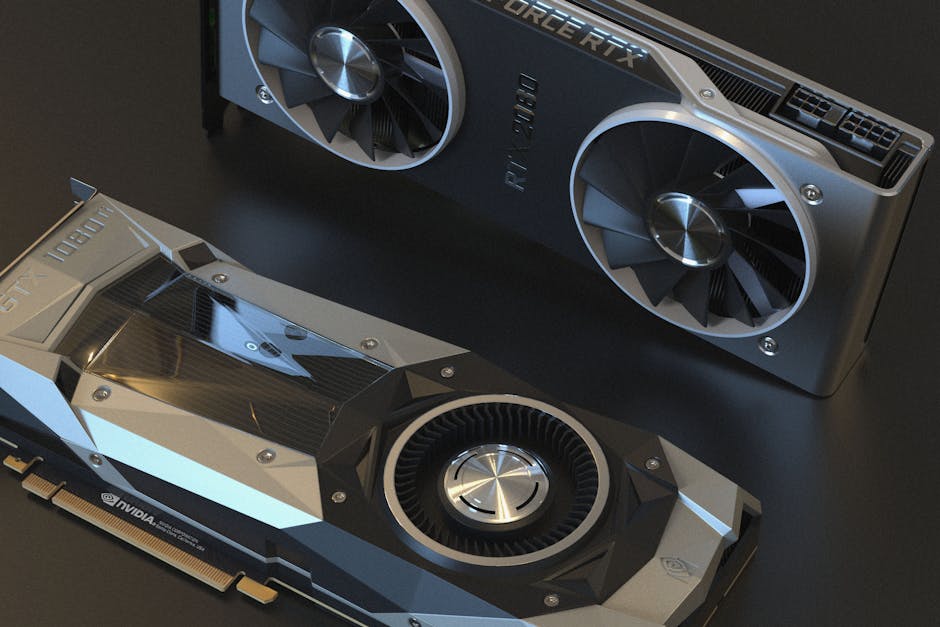
The amount of video memory (VRAM) a GPU has is another critical factor. For most gaming at 1080p, 4GB of VRAM is decent, but if you’re dabbling in 1440p or 4K gaming, aim for at least 6GB to 8GB. With modern games increasingly demanding more memory for high-resolution textures and effects, having sufficient VRAM can prevent stuttering and enable a better overall experience.
However, don’t just go for the highest VRAM blindly. Some GPUs with lower VRAM but better architecture can outperform their competitors. Balancing VRAM with other specifications is essential to ensure you’re investing wisely.
Power Consumption and Cooling
Another often overlooked consideration when choosing a gaming GPU is its power consumption. A power-hungry GPU might require a more robust power supply, adding to overall expenses. Research the GPU’s TDP (Thermal Design Power), which gives insight into its power requirements. Ideally, select a GPU that fits your existing PSU without needing an upgrade.
For example, if your power supply is 500W, you want a GPU with a TDP well below this figure.
Cooling solutions are equally important. Some GPUs come with efficient cooling systems that keep temperatures low and performance steady. If you’re gaming hard, opting for a GPU with a good cooling solution will ensure that performance won’t dip due to overheating, ultimately extending the life of your hardware.
Choose Based on Your Gaming Style
It’s not just about specs in isolation; your gaming preferences matter significantly. For casual gamers who enjoy titles like “The Sims” or indie games, a mid-range GPU will suffice. On the other hand, hardcore gamers who play competitive FPS or modern AAA titles benefit from high-end GPUs.
If you mostly play competitive games, focus on performance benchmarks under load, as frame rates provide a direct correlation to your experience. Alternatively, if immersive narratives and stunning graphics are your thing, aim for a card that manages high settings effectively even if it means spending a little extra.
In addition, if you’re thinking about your overall setup, consider reading about optimizing your gaming space. My article on budget gaming setups versus premium battlestations can provide insight into how to balance quality and price across your entire system.
For comprehensive guidance on how to choose a gaming GPU, familiarize yourself with details regarding various models you might be considering in your purchase.
Will Your GPU Last?
Lastly, consider future-proofing your investment. Technology evolves rapidly, and you don’t want a GPU that will be obsolete in a year. Prioritize models from reputable manufacturers that regularly update their drivers. This ensures ongoing optimization and can enhance longevity.
Speaking of updates, check what warranty or support options are available. Companies that provide solid customer service can make a significant difference if you encounter any issues down the line.
The Verdict: Final Recommendations
For a solid choice, consider the Nvidia GeForce RTX 3060 Ti, which offers strong performance for most modern games. If you're on a tighter budget, the AMD Radeon RX 6500 XT provides decent graphics at lower settings for less demanding titles. Each option ensures you get good performance tailored to your gaming style without unnecessary excess.
Related reading: gaming monitor.
We cover desk vs traditional in more depth separately.
Frequently Asked Questions
What factors to consider when choosing a gaming GPU?
When choosing a gaming GPU, consider factors such as performance benchmarks, memory (VRAM), power consumption, and compatibility with your system. Additionally, think about the types of games you play and the desired resolution and frame rates.
How much VRAM do I need for gaming?
The amount of VRAM you need for gaming typically depends on the resolution you play at; for 1080p, 4GB is often sufficient, while 6GB to 8GB is recommended for 1440p and above. Higher VRAM can help with texture-heavy games and future-proofing.
Is a more expensive GPU always better for gaming?
A more expensive GPU generally offers better performance, improved features, and more VRAM, but it may not always be necessary for your gaming needs. It's essential to assess your specific requirements and budget to find the best value for your gaming experience.
Can a gaming GPU be used for other tasks?
Yes, a gaming GPU can be utilized for various other tasks such as graphic design, video editing, and even machine learning due to its powerful processing capabilities. Many applications benefit from the parallel processing power of GPUs.
Why are gaming GPUs so expensive?
Gaming GPUs can be expensive due to the high demand for advanced performance, cutting-edge technology, and the cost of research and development. Additionally, market factors such as supply chain issues and cryptocurrency mining can also drive up prices.