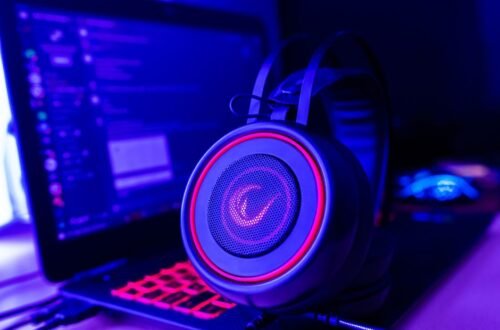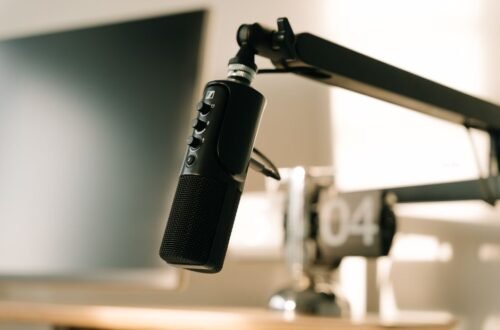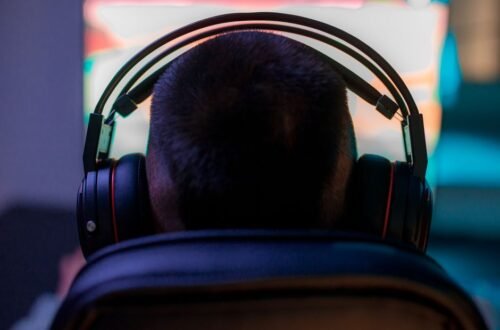
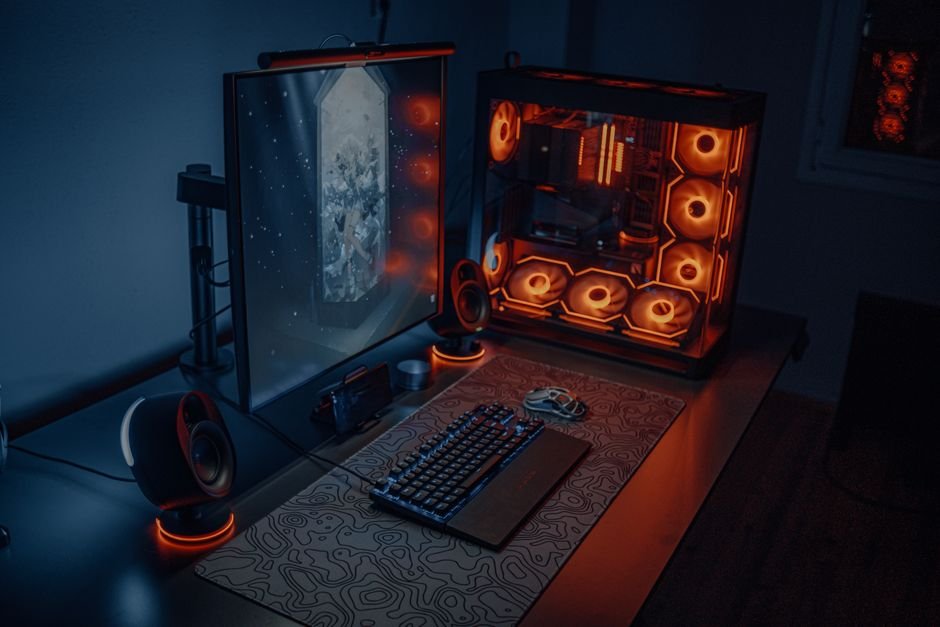
Approximately 70% of gamers underestimate the impact of audio quality on their gameplay. Investing in a good sound setup can transform your experience, immersing you fully in the game world. By focusing on speaker placement and sound treatment, you can enhance your gaming in tight spaces remarkably.
Space constraints may tempt you to cut corners, but by adhering to a few principles, you can enjoy optimal sound quality. Let’s focus on specific strategies to get the best audio experience in your limited space.
The Challenges of Gaming Audio in Small Rooms
Small rooms often create unique challenges for sound quality. The limited space can lead to sound reflections and echoes, which diminish audio clarity. Additionally, bass frequencies can become overwhelming, leading to muddled sound. You might be tempted to crank up the volume to compensate, but this only exacerbates the problem.
Another common issue is speaker placement, often overlooked due to spatial constraints. Suboptimal placement can lead to sound being directed toward walls or corners, creating a less than ideal listening environment. Paying attention to these elements can drastically shift your gaming experience.
Selecting the Right Speakers for Limited Space
When choosing speakers for small spaces, size matters. Compact bookshelf speakers can deliver impressive sound without dominating your room. Look for options that feature efficient drivers that can handle a range of frequencies without distortion. Passive speakers paired with a quality amplifier can provide a surprisingly robust audio experience for gaming.
Additionally, consider soundbars as a space-saving alternative. Some soundbars come equipped with surround sound capabilities, which can enhance immersion without the clutter of multiple speakers. Don’t forget about the importance of subwoofers. A compact sub can enrich bass frequencies, but be cautious about its placement to avoid overwhelming the space with low-end rumble.
Speaker Placement Tips to Maximize Audio Quality
Placement is crucial in small rooms. Ideally, your speakers should be positioned at ear level when you’re seated. If space permits, aim for a 60-degree angle, placing them equidistant from your seating position. If you can’t achieve this ideal setup, experiment with wall mounting to find the best configuration.
Also, pay close attention to corners and reflective surfaces. Avoid placing speakers directly against walls as this can amplify unwanted reflections. If you have to use a flat surface, like a desk, ensure the speakers angle slightly inward. This simple adjustment can significantly improve sound staging, allowing for a more immersive experience.
Acoustic Treatment for Enhanced Sound Clarity
Acoustic treatment plays a pivotal role in optimizing sound in a small room. Soft furnishings like curtains, rugs, and upholstered furniture can mitigate sound reflections. If you’re serious about sound quality, consider investing in acoustic panels. These can reduce echo and help manage mid and high frequencies, clarifying your audio experience.
Remember, you don’t have to treat the entire room; focus on key areas like walls directly facing your speakers. Strategic placement of foam panels can make a noticeable difference. If budget allows, bass traps can also help manage low frequencies, providing a more balanced sound profile.
Managing Bass in Compact Spaces
Bass can easily overwhelm a small room, but there are approaches to manage this effectively. When setting up your subwoofer, experiment with different corners of the room to find the bass sweet spot. Often, placing it near a wall can amplify bass; placing it out in the open might weaken it.
Additionally, utilizing an equalizer can help you tailor bass levels to your preference. Many modern sound systems allow for such adjustments, giving you control over how the low frequencies blend with other sounds. This ensures that explosions don’t drown out dialogue and that your gaming experience remains enjoyable.
Soundproofing Ideas for Less Noise Leakage
In small rooms, sound can easily escape or come in from outside sources. Soundproofing can significantly improve your immersion by keeping outside noise at bay. Simple measures like weather stripping on door frames can stop sound leakage. Heavy curtains or acoustic blankets over windows are also beneficial.
If you want to go further, consider a few DIY soundproofing solutions. You could apply mass-loaded vinyl to walls or utilize soft foam for added absorption. While these options may require more investment in time and money, your gaming setup will reap the benefits.
The Final Verdict on Your Gaming Sound Setup
For the best audio experience in small rooms, consider investing in compact bookshelf speakers combined with a quality subwoofer for depth. This setup suits both casual gamers and audiophiles alike, ensuring a balanced soundstage that enhances your overall gaming experience.
Frequently Asked Questions
What is the best sound setup for small gaming rooms?
For small gaming rooms, a 2.1 speaker setup or quality headphones are often the best choices, as they provide immersive sound without overwhelming the space. Additionally, consider compact bookshelf speakers that can be placed on shelves or walls to maximize space.
How can I improve sound quality in a small room?
Improving sound quality can be achieved by using acoustic panels to minimize echo and enhance clarity. Also, positioning furniture to act as sound barriers can help direct sound waves and create a more balanced audio experience.
Why is speaker placement important in small spaces?
Speaker placement is crucial in small spaces because sound waves can quickly bounce off walls, leading to distortion and muddiness. Proper positioning, ideally at ear level and forming an equilateral triangle with the listener, can help achieve a clearer and more immersive sound stage.
Can soundbars work well in gaming setups?
Yes, soundbars can be effective in gaming setups, especially in small rooms where space is limited. They provide a streamlined audio solution while still delivering enhanced sound quality compared to built-in TV speakers.
Is soundproofing necessary for compact gaming areas?
Soundproofing may not be strictly necessary, but it can significantly enhance the gaming experience by reducing outside noise and minimizing sound leakage. Simple improvements, like adding rugs or curtains, can help absorb sound without a full soundproofing overhaul.