Switching from standard audio to surround sound can cost anywhere from $100 to several thousand, but the upgrade is often worth it. Surround sound immerses players in a three-dimensional audio landscape, making it easier to detect sound cues and enhancing the overall gameplay experience.
When I first dove into surround sound gaming, I realized it wasn’t just a luxury; it was essential for a fully engaging experience. Knowing what surround sound means in gaming can help you understand how crucial it is to your overall setup, the kinds of devices you might want to invest in, and how to optimize your gaming experience.
What Is Surround Sound in Gaming?
Surround sound in gaming refers to audio systems that extend beyond stereo sound, which typically only utilizes two channels (left and right). Most surround sound setups use at least five channels: this includes one channel for the center speaker, two for the front-left and front-right speakers, and two for the rear speakers. Advanced systems may include additional subwoofers for deeper bass, creating a richer atmosphere.
The aim is to produce sound from multiple directions, simulating a real-world sound environment.
Virtual surround technology further enhances this experience. Products that claim “virtual surround sound” aim to provide a similar effect through stereo headphones or speakers, using sophisticated processing to trick your ears into perceiving sound from all around you.
While it can never fully match the physical experience of real surround sound, virtual alternatives can still offer a compelling experience, particularly for those new to immersive audio.
Why Surround Sound Matters in Gaming?
The most significant factor driving home the importance of surround sound is audio immersion. In competitive gaming, knowing whether an opponent is sneaking up behind you or coming from the left can make all the difference. Sounds become not just auditory cues but essential indicators of what’s happening in your virtual world.
Additionally, enhanced sound quality contributes to how convincing games feel. Imagine playing a horror game where you can hear footsteps behind you; that level of audio detail elevates the experience. I often find myself on edge, anticipating the next jump scare when I gaming with surround sound, whereas standard audio doesn’t provide the same intensity.
Investing in a quality surround setup transforms the mundane into a captivating adventure.

How To Set Up Surround Sound for Gaming
A solid home gaming setup begins with choosing the right equipment. You’ll need a surround sound receiver and a set of compatible speakers. Most gaming consoles and PCs can support multiple channels if your equipment is up to date. Generally, you’d want to place the speakers strategically around your gaming area.
Ideally, you’d position the center speaker at eye level, the front-left and front-right speakers slightly angled towards your listening position, and the rear speakers positioned behind you. If you’re unsure about DIY setup, consult the user manuals for both your receiver and speaker system as they usually provide specific guidelines.
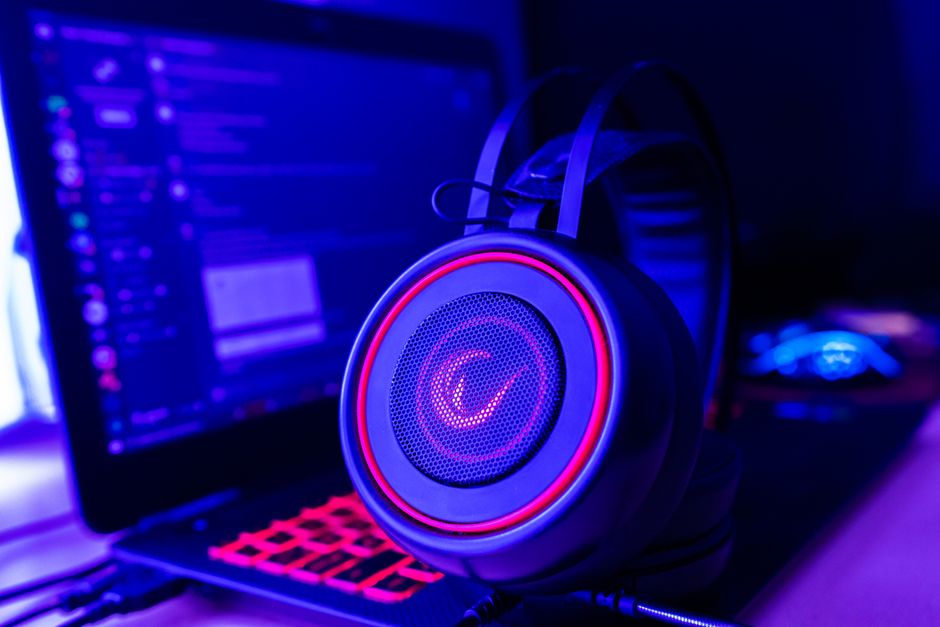
If your setup allows for it, consider investing in a subwoofer. A good subwoofer enhances the low-frequency sounds, providing that additional punch during critical moments in action games. For those using headphones, look into quality gaming headsets that support virtual surround sound.
If you’re also dealing with wired setups or Bluetooth, you can read more on optimizing audio quality to make the most out of your gaming experience. Understanding what is surround sound in gaming can help you further enhance your audio setup.
Common Misconceptions About Surround Sound
One misconception I’ve encountered is the belief that surround sound systems are too expensive or overly complicated for casual gamers. While you can spend a fortune on high-end systems, there are numerous affordable options that can significantly enhance your experience. For example, I’ve found decent sound systems and headphones that offer virtual surround sound for under a few hundred dollars.
Necessarily, you won’t need the fanciest gear to experience a boost in audio quality.
Another common pitfall is the assumption that more speakers always mean better sound. It’s not just about quantity; it’s about quality and placement. You could have an excellent-sounding stereo system but poor placement, leading to a less than ideal experience. Conversely, a well-placed, mid-range surround sound system can outperform a poorly configured high-end setup.
Final Verdict: Is Surround Sound Worth It?
For serious gamers, investing in a quality surround sound system like a 5.1 setup is highly recommended for the best audio experience. Those on a budget should consider virtual surround sound headphones, which still provide significant improvements to sound directionality and immersion.
Frequently Asked Questions
What are the benefits of surround sound in gaming?
Surround sound in gaming provides an immersive audio experience, allowing players to hear sounds from multiple directions. This enhances the realism of the game and can improve situational awareness, giving players a competitive edge.
How does surround sound enhance gaming?
Surround sound enhances gaming by creating a three-dimensional auditory environment that mimics real-life sound sources. Players can discern the direction of in-game sounds, such as footsteps or gunfire, leading to improved gameplay and a more engaging experience.
Is surround sound necessary for gaming?
While surround sound is not strictly necessary for gaming, it significantly improves the auditory experience and can enhance gameplay. Many players find that having surround sound provides them with better spatial awareness and immersion.
Can you use surround sound with any gaming console?
Most modern gaming consoles, such as PlayStation, Xbox, and PC, support surround sound through various audio setups. You can use surround sound with compatible headsets or home theater systems to take advantage of the enhanced audio experience.
What’s the difference between stereo and surround sound?
Stereo sound typically uses two audio channels (left and right), creating a basic sound stage, while surround sound employs multiple channels to create a more immersive experience. Surround sound allows for sound to come from various directions, giving a sense of depth and spatial dimension absent in stereo setups.