
Gamers dedicate an average of 20 hours a week to their hobby, making a quality gaming headset a practical investment. A good headset can cost anywhere from $50 to $300, significantly impacting both sound quality and comfort during lengthy gaming sessions. Many users miss critical features when selecting their headset, which can lead to disappointment later on.
So, what are the key features of a gaming headset that you really need to consider? Let’s break down the most critical aspects that can make or break your gaming experience.
Prioritizing Sound Quality
Sound quality is non-negotiable when it comes to gaming headsets. You’ll want headsets that provide immersive audio, allowing you to hear subtle in-game details that can give you a competitive edge. Look for models that offer surround sound capabilities, as these create a more three-dimensional sound environment, placing you right in the middle of the action.
A good surround sound system will help you distinguish where sounds are coming from, whether it’s the footsteps of an opponent or the distant rumble of an explosion.
Many gaming headsets feature different modes for various scenarios, such as stereo, virtual 7.1, or even 3D audio settings. I find that a headset with virtual 7.1 surround sound can often offer the best balance of depth and clarity. However, keep in mind that the quality varies greatly between brands and models, so do your research and read real-user feedback before settling on a headset.
No Compromise on Microphone Quality
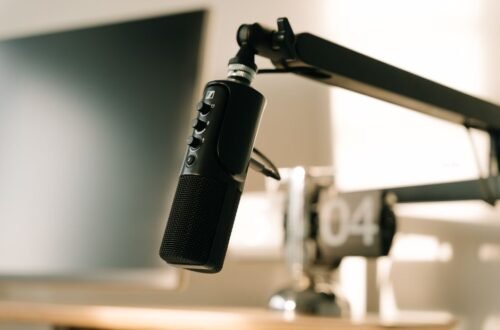
The microphone is another critical feature that often gets overlooked. If you’re gaming online, clear communication can mean the difference between victory and defeat. A headset with a high-quality microphone will minimize background noise and pick up your voice clearly. Look for headsets that come equipped with noise-cancelling microphones; they filter out ambient sounds to ensure your teammates can hear you without interference.
It’s also wise to check if the microphone is adjustable or detachable, as this can enhance comfort during extended gaming sessions. Some headsets even offer features like push-to-mute, which is incredibly useful if you need to quickly silence your mic when you’re not speaking.
Comfort Matters: Ergonomics and Fit
Comfort should never be sacrificed for performance. You might find the best-sounding gaming headset in the world, but if it’s uncomfortable, you won’t want to wear it for long. Look for headsets that have padded ear cups and an adjustable headband. Materials such as memory foam are excellent as they mold to your ears and head, providing a snug but comfortable fit.
Weight also plays a crucial role in comfort. Heavier headsets might feel solid and well-built, but they can also cause fatigue over long gaming sessions. On the other hand, ultralight models may compromise sound quality for the sake of comfort. Striking the right balance between weight and quality is essential for longer gaming sessions.

Wireless vs. Wired: The Connectivity Debate
When it comes to connectivity, you’ll need to decide between wired and wireless options. Wired headsets typically offer better sound fidelity and a consistent connection without the risk of battery failure mid-game. However, a good wireless gaming headset can offer freedom of movement, which I find particularly valuable in action-packed games.
Be sure to look for low-latency wireless models, as high latency can affect your response time in competitive scenarios.
Battery life is another concern with wireless headsets. Opt for models that offer at least 15-20 hours of battery life on a single charge, as constant recharging can become tedious. Many future models now offer quick-charge capabilities, allowing for several hours of use from a short charging period.
Extra Features That Can Enhance Your Experience
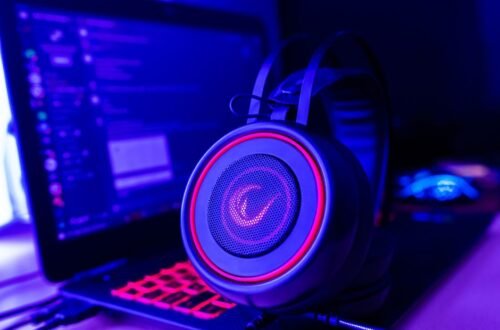
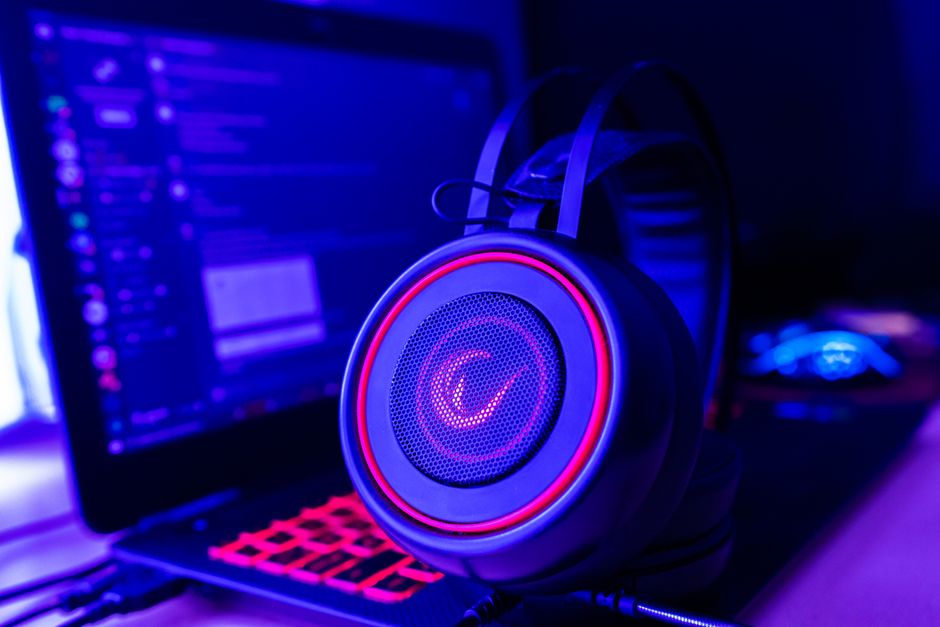
Beyond the essential features, numerous extras can elevate your gaming experience. Look for headsets equipped with customizable RGB lighting. Although this doesn’t affect sound quality, it can enhance the overall aesthetic of your gaming setup. Additionally, some headsets come with dedicated software that allows you to adjust sound profiles, EQ settings, and microphone levels based on preference.
Another feature increasingly popular among gamers is surround sound software that enhances audio spatialization beyond the hardware capabilities of the headset. If you want to take your audio experience up a notch, consider options that support features like Dolby Atmos or DTS:X.
Your Budget: Finding Value
For those who game frequently, I recommend the SteelSeries Arctis 7 for its balance of comfort and sound clarity, which suits both casual and competitive gamers. If budget allows, consider the HyperX Cloud II as a solid choice for gamers seeking durability and excellent audio, particularly in a noisy environment.
Frequently Asked Questions
What makes a good gaming headset?
A good gaming headset should have comfortable padding for extended use, an adjustable and durable design, and responsive audio controls. Additionally, it should provide quality sound performance with a good balance of bass and treble, along with a clear microphone for communication.
How important is sound quality in gaming headsets?
Sound quality is crucial in gaming headsets as it greatly enhances the gaming experience. High-quality audio allows players to accurately perceive in-game sounds, which can be vital for recognizing enemy positions and immersing themselves in the gaming environment.
Can gaming headsets improve gameplay?
Yes, gaming headsets can improve gameplay by providing clearer audio cues and enhancing communication with teammates. The ability to hear subtle sounds in the game can lead to better awareness and faster reactions, giving players a competitive edge.
Why do gamers need noise cancelling headsets?
Gamers need noise-cancelling headsets to minimize distractions from their surroundings, allowing for a more focused gaming experience. By blocking out ambient noise, these headsets help players to concentrate on the game and enhance their overall immersion.
Are wireless gaming headsets reliable?
Wireless gaming headsets can be quite reliable, especially with advancements in technology that reduce latency and improve battery life. However, players should ensure they choose high-quality brands, as lower-end options may suffer from connectivity issues or audio lag.