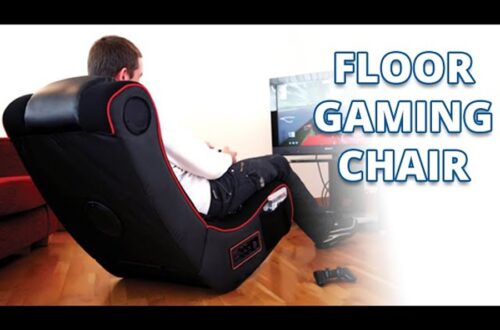
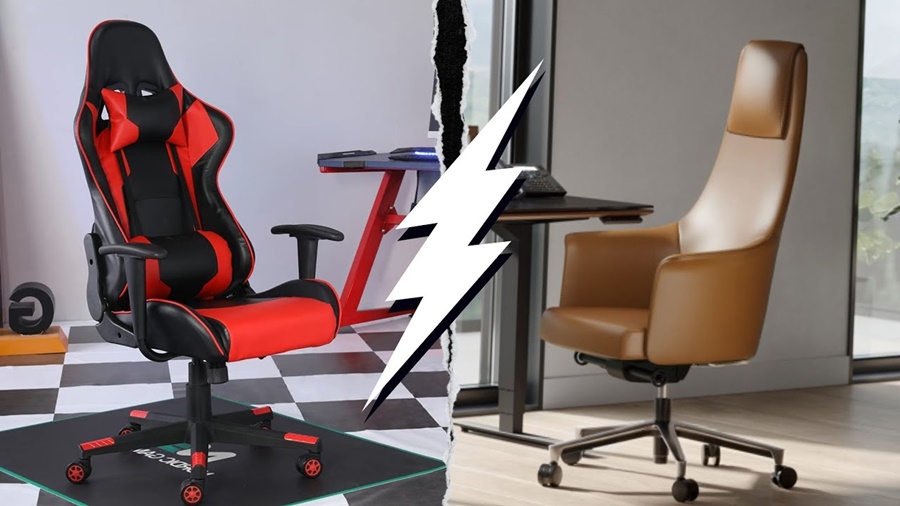
When choosing a chair for long hours of sitting whether for gaming, office work, or studying two popular options dominate the market: gaming chairs and ergonomic chairs. Both are designed to improve comfort compared to standard chairs, but they are built with different priorities, design philosophies, and user needs in mind.
This article provides a complete comparison of gaming chairs and ergonomic chairs, covering design, comfort, health benefits, adjustability, durability, and which one is best for different users.
1. What Is a Gaming Chair?
A gaming chair is a chair specifically designed for gamers who spend extended periods playing video games. These chairs are inspired by racing car seats, which explains their high backrests, side bolsters, and flashy aesthetics.
Key Features of Gaming Chairs
- High backrest with head and neck support
- Lumbar and neck pillows
- Reclining function (often 90–180 degrees)
- Bucket-seat style design
- Bright colors and aggressive styling
- Adjustable armrests
Gaming chairs are often marketed toward streamers, esports players, and people who enjoy a stylish gaming setup.
2. What Is an Ergonomic Chair?
An ergonomic chair is designed based on human body mechanics and posture science. The main goal is to reduce strain on the body during long sitting sessions, especially in office environments.
These chairs are commonly used in workplaces, offices, and professional workstations.
Key Features of Ergonomic Chairs
- Adjustable lumbar support
- Breathable mesh or high-quality fabric
- Adjustable seat height and depth
- Adjustable armrests
- Tilt and recline with tension control
- Designed to promote natural spine alignment
Ergonomic chairs prioritize health, posture, and long-term comfort over appearance.
3. Design Differences
One of the biggest differences between gaming chairs and ergonomic chairs is their design philosophy.
Gaming Chair Design
Gaming chairs focus heavily on visual appeal and immersion. They often feature:
- Bold color combinations
- Racing-seat aesthetics
- Synthetic leather materials
- Large wings or side bolsters
While these elements look attractive, they are not always optimized for body movement.
Ergonomic Chair Design
Ergonomic chairs focus on function and anatomy. Their design is usually minimalistic and professional.
Common design traits include:
- Mesh backs for airflow
- Adjustable support structures
- Neutral colors like black, gray, or white
- Flexible backrests that follow spinal movement
The emphasis is on supporting the body rather than creating a visual statement.
4. Comfort and Sitting Experience
Comfort is subjective, but the two chair types offer different experiences.
Comfort in Gaming Chairs
Gaming chairs are typically padded with thick foam and covered in PU leather. This creates a soft and cushioned feel initially.
However, potential drawbacks include:
- Limited airflow (can get hot)
- Fixed lumbar pillow position
- Side bolsters restricting movement
They are comfortable for gaming sessions but may feel restrictive during long work hours.
Comfort in Ergonomic Chairs
Ergonomic chairs prioritize dynamic comfort rather than soft cushioning.
Advantages include:
- Breathable materials
- Flexible back support
- Better weight distribution
- Designed for 8+ hours of sitting
Although they may feel less plush at first, they usually remain comfortable for longer periods.
5. Posture and Health Benefits
This is where ergonomic chairs typically outperform gaming chairs.
Gaming Chair Posture Support
Gaming chairs provide some support through:
- Neck pillows
- Lumbar pillows
- High backrests
However, these supports are often removable cushions rather than integrated systems, which may not perfectly match every user’s body.
Ergonomic Chair Posture Support
Ergonomic chairs are designed specifically to:
- Maintain the natural S-curve of the spine
- Reduce pressure on the lower back
- Support healthy sitting posture
Many models include:
- Adjustable lumbar depth
- Dynamic recline mechanisms
- Seat depth adjustment
This makes them better for long-term spinal health.
6. Adjustability
Adjustability determines how well a chair fits different body types.
Gaming Chair Adjustability
Gaming chairs typically offer:
- Height adjustment
- Reclining backrest
- Adjustable armrests
- Tilt mechanism
However, they usually lack:
- Seat depth adjustment
- Advanced lumbar adjustments
- Backrest tension customization
Ergonomic Chair Adjustability
Ergonomic chairs usually provide more customization, such as:
- Seat height adjustment
- Seat depth adjustment
- Lumbar height and depth adjustment
- Armrest height, width, and angle
- Backrest tilt tension
This allows users to tailor the chair precisely to their body.
7. Durability and Materials
The materials used in each chair type affect durability.
Gaming Chair Materials
Most gaming chairs use:
- PU leather or synthetic leather
- High-density foam padding
- Steel frame construction
PU leather can wear out over time, especially in hot climates.
Ergonomic Chair Materials
Ergonomic chairs often use:
- Mesh backrests
- Fabric upholstery
- Aluminum or reinforced plastic frames
Mesh is particularly beneficial because it breathes well and lasts longer without cracking or peeling.
8. Price Comparison
Both chair types are available in a wide price range.
Gaming Chair Price Range
- Budget: $100–$200
- Mid-range: $200–$400
- Premium: $400–$700
Many gaming chairs prioritize branding and aesthetics, which can affect pricing.
Ergonomic Chair Price Range
- Budget: $150–$300
- Mid-range: $300–$700
- Premium: $700–$1500+
High-end ergonomic chairs can be expensive because they involve research-backed design and advanced mechanisms.
9. Best Use Cases
When a Gaming Chair Is Better
Gaming chairs are ideal for:
- Gaming setups and streaming rooms
- Users who like bold aesthetics
- Short to medium gaming sessions
- Budget-friendly setups with style
When an Ergonomic Chair Is Better
Ergonomic chairs are better for:
- Office work and productivity
- Long daily sitting (6–10 hours)
- Back pain prevention
- Professional environments
10. Which One Should You Choose?
The right choice depends on your priorities.
Choose a gaming chair if:
- You want a stylish gaming setup
- You mainly play games for a few hours
- You prefer thick cushioning and reclining features
Choose an ergonomic chair if:
- You sit for long hours daily
- You care about posture and spinal health
- You want maximum adjustability and airflow
Conclusion
Both gaming chairs and ergonomic chairs aim to improve sitting comfort, but they serve different purposes. Gaming chairs emphasize style, immersion, and cushioning, making them popular among gamers and streamers. Ergonomic chairs, on the other hand, focus on posture, adjustability, and long-term health, which makes them the preferred choice for office workers and people who sit for extended periods.
If your primary goal is health and productivity, an ergonomic chair is usually the better investment. However, if you want a chair that complements your gaming setup while still offering decent comfort, a gaming chair can be a satisfying choice.
Ultimately, the best chair is one that fits your body, supports your posture, and suits your daily routine.