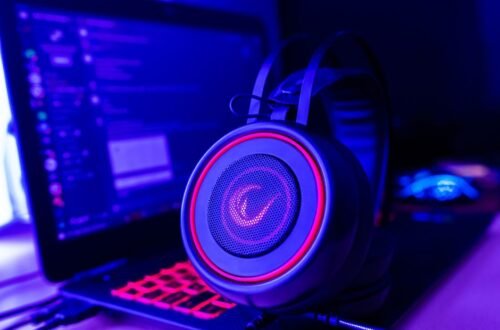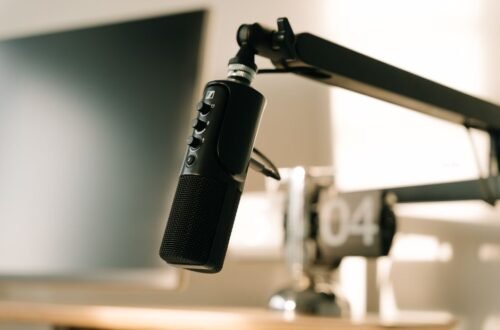
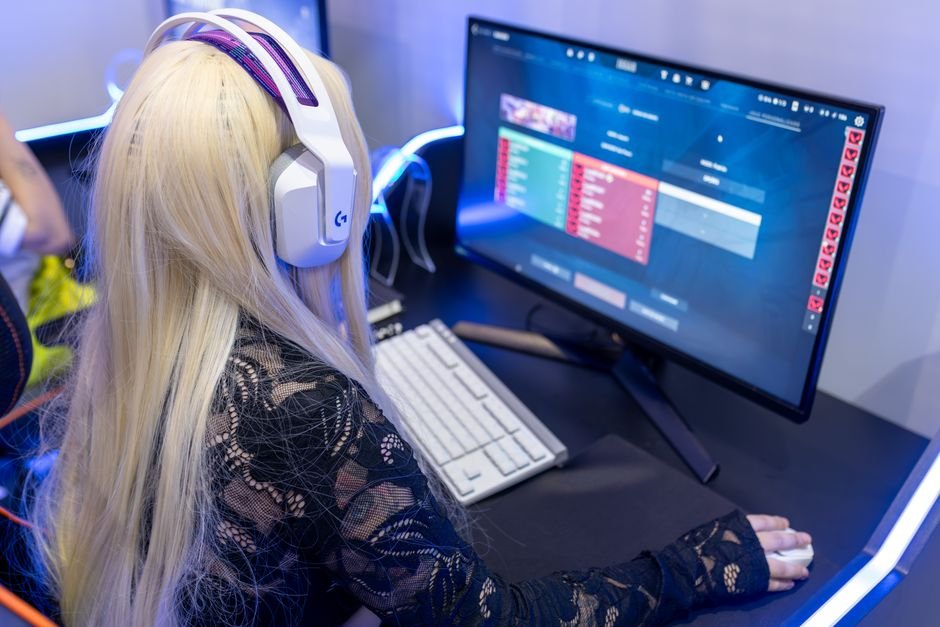
Experts agree that nearly 80% of gamers prioritize visuals over sound, often missing out on an essential element of immersion. A gaming soundcard offers specialized audio enhancements, delivering clear, precise sound and making in-game details more discernible. This component significantly improves the overall gaming experience by supporting features like 3D audio and better headset compatibility.
In essence, a gaming soundcard processes audio more effectively than your computer’s integrated sound system. If you’re serious about your gaming performance, investing in a soundcard is a smart choice. Let’s explore what a gaming soundcard is, its benefits, and why you might need one.

What a Gaming Soundcard Actually Does
Simplifying in technical terms, a gaming soundcard acts as a dedicated processor for audio. Unlike built-in sound chips on motherboards, soundcards have their own processing power and memory specifically dedicated to handling sound. This allows them to deliver higher-fidelity audio experiences.
In practical terms, a soundcard can support advanced audio technologies like 3D sound and surround sound formats (such as Dolby Atmos or DTS:X). This not only lets you hear distant steps or gunfire better but also creates an immersive environment where sounds originate from specific directions.
This level of detail is so beneficial for competitive gaming, as it gives you a real edge in perception.
Benefits of Using a Gaming Soundcard
One of the foremost advantages of using a gaming soundcard is the enhanced audio quality. You get more clarity, richness, and depth in sound. This improved audio quality contributes to an engaging gaming experience, making every sound detail pop. Instead of a muddy cacophony, you’ll appreciate the nuances of music, soundtrack, dialogues, and in-game effects more vividly.
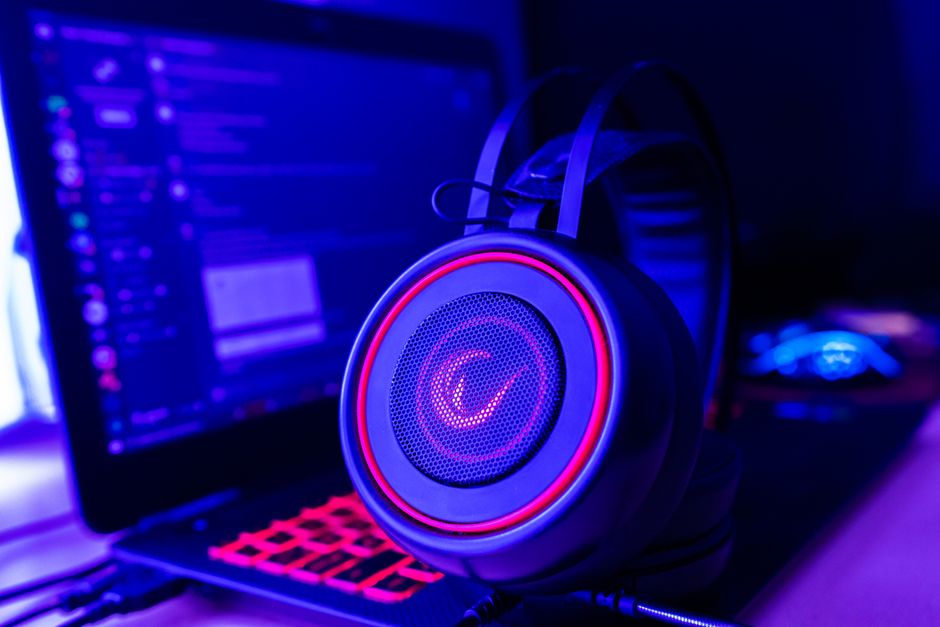
Another significant benefit is headset compatibility. Many gaming headsets thrive when paired with a soundcard due to support for higher impedances and better sampling rates. For example, if your headset supports 24-bit audio or requires a higher voltage, a soundcard can accommodate these needs. Without a soundcard, you might miss out on the full audio capabilities of your expensive gaming headset.
Considerations Before Buying a Soundcard
Before diving in and buying a gaming soundcard, consider your specific use case. If you primarily play casual games and are fine with the audio from integrated sound, you may not need one. Not everyone benefits equally from a soundcard, particularly if gaming isn’t your primary activity.
However, for those who play competitively or immerse themselves in story-driven titles, a soundcard might elevate the entire experience.
Moreover, compatibility with your existing system is crucial. Not all motherboards support adding a soundcard, so ensure your setup allows for it. Examine your gaming configurations and the types of audio setups you prefer. For instance, virtual surround sound capabilities can only be harnessed effectively with specific soundcards. Take time to research, and choose wisely.
Should You Make the Switch?
If you fit within the gaming enthusiast category, a gaming soundcard can provide the edge you’re looking for. Just as you wouldn’t skimp on your GPU for top-tier graphics, don’t neglect your audio setup. The right soundcard can support gaming headsets, offer superior sound processing, and create richer audio landscapes.
However, if you’re infrequent in your gaming or primarily play on consoles (where sound hardware is often incorporated), investing heavily in a dedicated soundcard might not be worth it. Consider how much gaming you truly do and how critical sound quality is for you. If gaming is part of a broader multimedia setup, you might also find benefits here for music and video.
Final Recommendation: Is It Worth It?
For those who value audio fidelity, the Creative Sound Blaster Z is a strong choice, known for its superior sound processing and compatibility with various headsets. Casual gamers and console players might find onboard audio sufficient, but serious gamers should consider investing in a dedicated soundcard to boost their performance and enjoyment.
For more, read about standing desk vs traditional.
There is more on large corner elsewhere on the site.
Frequently Asked Questions
What does a gaming soundcard do?
A gaming soundcard processes and enhances audio signals for a more immersive gaming experience. It can provide advanced sound effects, support for surround sound, and improved audio clarity compared to onboard audio solutions.
How does a soundcard affect gaming?
A soundcard improves audio quality by providing better sound reproduction and spatial awareness, which can enhance gameplay, especially in competitive environments where audio cues are essential. High-quality soundcards can deliver richer sounds and a more immersive atmosphere.
Is a soundcard necessary for gaming?
While a soundcard is not strictly necessary for gaming, it can significantly enhance the audio experience. Most modern motherboards come with integrated audio that may suffice for casual gaming, but dedicated soundcards offer superior sound quality and features.
Can a soundcard improve headset performance?
Yes, a soundcard can improve headset performance by providing higher-quality audio output, enhancing bass response, and enabling surround sound capabilities. This can make gaming more immersive and improve clarity in communication during multiplayer sessions.
Why choose an external soundcard for gaming?
Choosing an external soundcard for gaming can offer portability and ease of connection, allowing for compatibility with multiple devices. Additionally, external soundcards often come with dedicated features like customizable EQ settings and better DACs, which can further enhance audio quality.