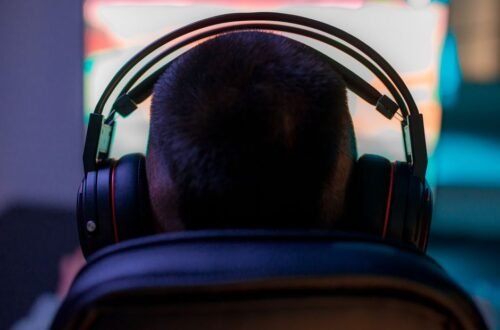
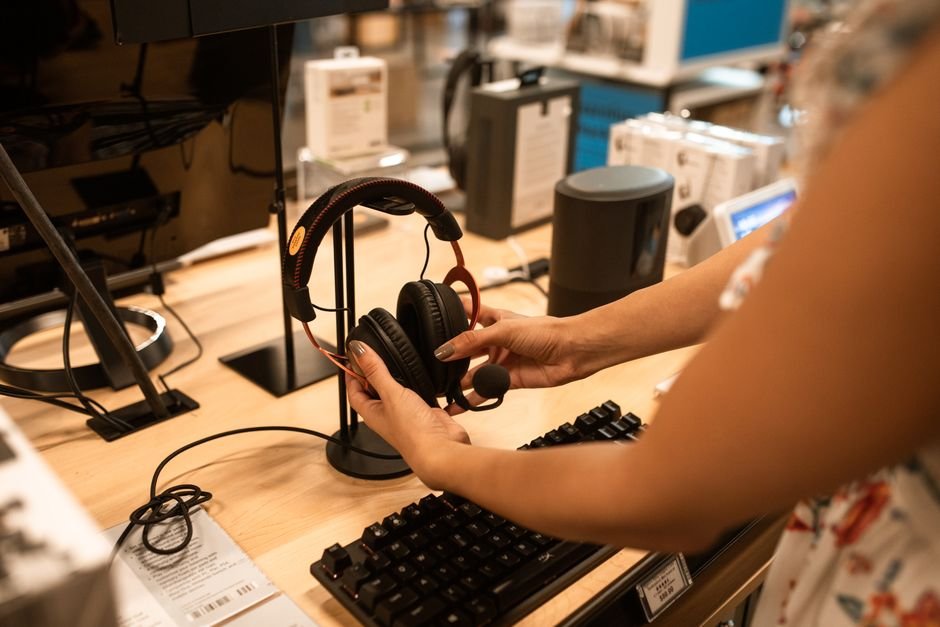
Spending anywhere from $50 to $300 on gaming audio equipment can drastically impact your gameplay experience. Choosing the right headset equipped with features such as surround sound or noise cancellation can elevate your immersion, but not all options deliver quality sound. Understanding your personal needs is crucial when making this decision.
When deciding how to choose gaming audio equipment, you’ll want to consider several crucial factors: sound quality, microphone clarity, wired versus wireless options, and specific features like surround sound. Each of these aspects can drastically affect your gaming sessions, so let’s break them down to make your decision easier.
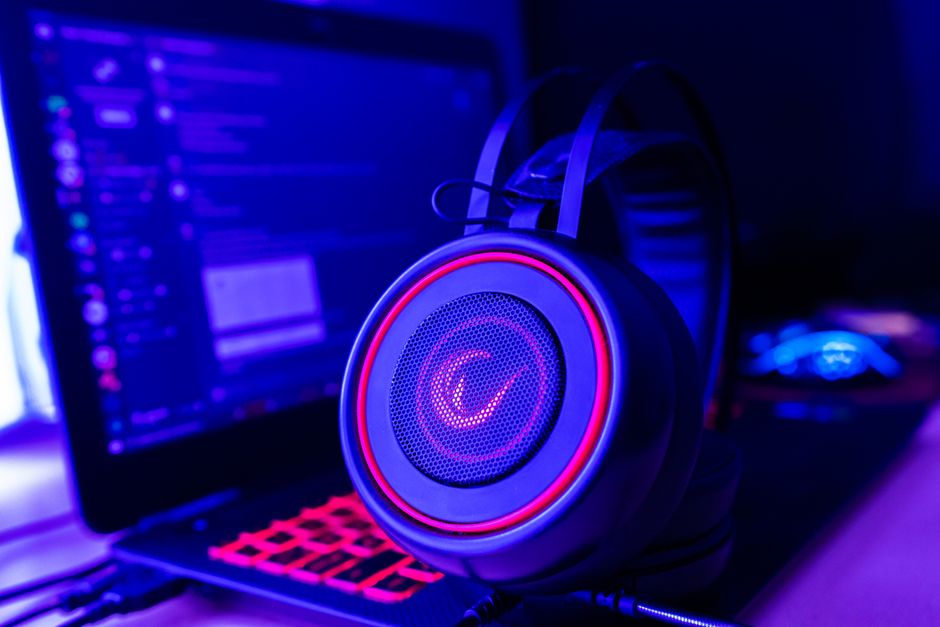
Evaluating Sound Quality and Features
Sound quality is the foundation of any gaming audio gear. Look for headsets that support stereo or surround sound. A solid pair of headphones will typically have a frequency response range of 20 Hz to 20 kHz, which is standard for audio playback. However, what many gamers might overlook is the benefit of surround sound.
With more advanced setups, such as 7.1 virtual surround sound, you can pinpoint enemy locations with incredible accuracy, giving you an edge in competitive situations.
Noise cancellation is another feature worth considering. A headset that actively blocks out external sounds can keep you focused on the game without distractions. For instance, headsets with this feature usually monitor environmental noise and adjust accordingly, enhancing your gaming experience. If you play in a noisy environment, this could be vital for maintaining concentration.
Microphone Quality Matters
In any multiplayer scenario, the quality of your microphone can impact communication significantly. You want a microphone that captures your voice clearly, with minimal background noise. Look for headsets with a noise-canceling microphone that can filter out unwanted sounds. Ideally, the microphone should have a frequency response of around 100 Hz to 10 kHz for optimal clarity.
Make sure to test it out if possible. Some headsets offer removable or flip-up microphones that can enhance convenience. If you routinely switch between gaming and streaming, flexibility in the microphone design is a valuable consideration. If communication is key for your gaming style, don’t skimp on this aspect.
Wired vs Wireless: Weighing Your Options
Next, you need to decide between wired and wireless audio equipment. Wired headsets often deliver better sound quality because they don’t compress audio signals. Many gamers swear by wired headphones for this very reason, especially in competitive gaming where clarity can make or break your performance.
On the other hand, wireless options have improved significantly, with low latency becoming more standard. The convenience of moving around without being tethered to your console or PC is a notable advantage. However, you’ll want to consider battery life, many wireless headsets last between 10 to 30 hours on a single charge.
Always check for review feedback on the battery performance to avoid interruptions during long gaming sessions.

The Cost: Setting a Budget
When choosing gaming audio equipment, cost is a critical factor. Headsets can range anywhere from $30 for basic models to over $300 for high-end options with extensive features. Determine your budget before diving into the market. It’s crucial to remember that higher price doesn’t always equate to better experience; sometimes, you pay for brand names rather than sound quality or features.
For decent entry-level headsets, you can expect to pay between $50 and $100. Mid-range headphones are a sound choice if you’re willing to spend $100 to $200, often providing the best balance between quality and price. Anything over $200 will usually offer advanced features that might be beneficial in niche scenarios, like virtual surround sound or premium materials.
Final Verdict: Which One Should You Choose?
For competitive gamers, a wired headset like the HyperX Cloud II offers reliable sound quality and an excellent microphone for clear communication. Casual gamers might find a model such as the SteelSeries Arctis 7 more suitable, thanks to its wireless convenience and long battery life.
There is more on gaming equipment do i elsewhere on the site.
Frequently Asked Questions
What should I look for in gaming headphones?
When choosing gaming headphones, consider sound quality, microphone clarity, and comfort for long gaming sessions. Look for features like surround sound for an immersive experience and adjustable headbands for a better fit.
Why is audio quality important in gaming?
Audio quality is crucial in gaming because it enhances the overall experience by providing clear sound cues, which can improve gameplay performance. Good audio helps you detect directional sounds, such as footsteps or gunfire, giving you a competitive edge.
How do I know if a gaming headset is comfortable?
To determine if a gaming headset is comfortable, look for reviews that mention long-term wearability and softness of ear cushions. It's also beneficial to try on headsets in-store to check for weight distribution, padding, and adjustability.
Are wireless gaming headsets reliable?
Wireless gaming headsets can be reliable, particularly those using low-latency technologies like Bluetooth or proprietary connections. However, check for battery life and potential connectivity issues before purchasing.
Can I use gaming headphones for music?
Yes, gaming headphones can often be used for music, especially if they provide good audio quality. However, if you're an audiophile, you might want to consider headphones specifically designed for music listening to ensure optimal sound performance.