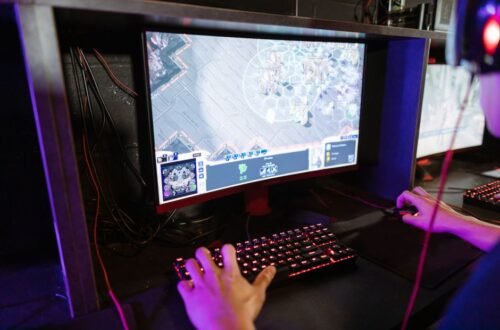
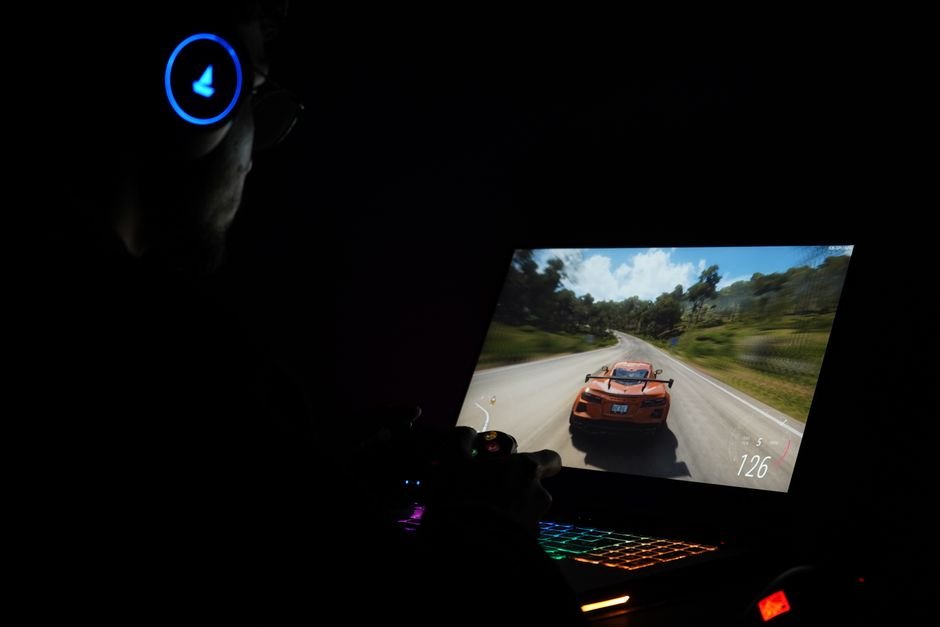
A refresh rate of 144Hz is the minimum standard for serious gamers seeking competitive advantage. However, the actual hertz you need varies based on your gaming style and hardware. Understanding these details can significantly enhance your gameplay experience.
When choosing a gaming monitorthe refresh rate measures how many times per second the display updates the image. A higher refresh rate can enhance the gaming experience, making motion smoother and reducing input lag. However, you also have to consider your hardware capabilities and the types of games you play.
Not everyone requires a top-tier refresh rate, but if you really want to take your gaming seriously, it’s critical to make an informed decision.
The Basics of Refresh Rate
Refresh rate is expressed in hertz (Hz), and the most common options are 60Hz, 120Hz, 144Hz, and 240Hz. For mainstream gaming, 60Hz is the bare minimum; it’s suitable for casual gaming and older titles. However, to truly enjoy most modern titles, especially fast-paced FPS games, a refresh rate of at least 120Hz or 144Hz is where the fun starts.
When I talk about refresh rates, I can’t stress enough how a monitor running at 144Hz or 240Hz can impact your gameplay. At 144Hz, you experience smoother, more fluid motion, which is particularly beneficial in competitive environments where every second counts. If you go even higher to 240Hz, you’ll find that the difference becomes even more pronounced, making it ideal for competitive FPS games.
However, that also means you need a high-performance graphics card to push those frames.
How Hertz Impacts Your Gaming Experience
High-refresh-rate monitors lead to a smoother experience, particularly in fast-paced games. For example, in games like Call of Duty or Fortnite, rapid movements and quick reflexes are crucial. A monitor with a 144Hz refresh rate can display 144 frames per second, which reduces motion blur and makes it easier to track fast-moving objects. Without doubt, you’ll notice less lag and an overall more responsive feel.
Conversely, if you’re playing slower-paced games, like RPGs or strategy games, you might not benefit significantly from refresh rates above 60Hz. In these scenarios, the additional frames won’t impact performance as much. Yet, many gamers enjoy having a higher refresh rate for an overall better visual experience, even in games where it doesn’t matter as much.

The Right Hertz for Different Types of Games
Every gamer has different needs based on the types of games they play. For instance, casual gamers who enjoy platformers or story-based games might find that 60Hz works just fine. However, fans of competitive FPS gaming should aim for at least 144Hz; this gives them the edge in responding to fast on-screen action.
For players who enjoy battling it out in fast-paced titles, I strongly recommend a 240Hz monitor if your graphics card can handle it. This refresh rate significantly decreases input lag and enhances responsiveness. But keep in mind, this doesn’t mean it’s necessary for everyone; a solid 144Hz is often more than sufficient for most users.
Choosing Based on Your Hardware
Saying “the higher, the better” isn’t necessarily true when it comes to hertz. If your graphics card is the bottleneck, achieving the higher refresh rates could be impossible. For example, a mid-range GPU might only push out 60 to 100 frames per second, making a monitor with a 240Hz refresh rate unnecessary.
It’s crucial to pair your monitor with capable hardware so you won’t waste your investment on a display you can’t fully use.
As a side note, many modern graphics cards do support higher refresh rates, especially those designed for gamers. If you’re currently on the fence about upgrading your monitor, consider whether your graphics card can sustain the refresh rates you’re aiming for. If it can, make your purchase with confidence; if not, take a step back and consider your options.
See also our take on standing desk vs traditional.
Final Thoughts: Finding the Sweet Spot
For competitive FPS gamers, a 240Hz monitor is the best choice, as it allows for smoother motion and quicker response times. Casual gamers may find that how many hertz do you need for gaming strikes a good balance between performance and cost without unnecessary features.
Frequently Asked Questions
What is a good hertz for gaming?
A good refresh rate for gaming typically starts at 120Hz, with many gamers opting for 144Hz or higher for a smoother experience. Competitive gamers may even prefer 240Hz or 360Hz monitors to gain an edge in fast-paced games.
Why does hertz matter in gaming?
Hertz, or refresh rate, indicates how many times a monitor updates the image per second, which directly affects how smooth and fluid the gameplay feels. Higher hertz can reduce motion blur and make fast action sequences clearer, enhancing overall gaming performance.
Is 144Hz necessary for gaming?
While 144Hz is not strictly necessary for gaming, it is highly recommended for serious gamers seeking a competitive advantage and smoother visuals. Casual gamers may find that 60Hz or 120Hz is sufficient for their needs.
Can you game on a 60Hz monitor?
Yes, you can game on a 60Hz monitor, and many console games are optimized for this refresh rate. However, fast-paced games may feel less smooth compared to higher refresh rates, which could impact gameplay experience.
How does refresh rate affect gaming?
Refresh rate affects gaming by influencing how fluid and responsive the visuals are during play. A higher refresh rate minimizes lag and motion blur, allowing for better tracking of fast-moving objects and providing a more immersive experience.